September 22, 2026
Carpets provide unmatched warmth, comfort, and aesthetic appeal to any home, acting as a soft cushion underfoot and an insulator against cold floors. However, because they lie flat beneath our feet, they also act as massive, horizontal air filters. Every day, they collect dust, skin cells, pet dander, pollen, tracked-in soil, and liquid spills. Over time, this debris sinks deep into the pile, out of reach of ordinary household appliances.
According to the Vocal Journal, carpets can accumulate up to 40 pounds of dirt annually if not cleaned regularly. This staggering volume of trapped matter does more than just make a room look dull; it actively degrades the carpet fibers through abrasive friction and creates a breeding ground for dust mites and bacteria. While regular vacuuming is a vital first line of defense, maintaining a healthy, vibrant, and long-lasting textile floor requires the periodic intervention of professional carpet cleaning.
Understanding how certified technicians restore these surfaces reveals the true art and science behind the trade, transforming a complex chore into an essential component of household maintenance.
Pre-Inspection and Fiber Identification
Every successful restoration process begins long before a single drop of water or cleaning solution touches the floor. The initial step for any certified professional is a comprehensive pre-inspection and fiber identification test. Carpet fibers fall broadly into two main categories: natural and synthetic. Natural fibers like wool, cotton, and silk are luxurious and naturally stain-resistant, but wool is highly sensitive to moisture, heat, and high-pH chemicals that can strip its natural lanolin oils or cause fiber shrinkage.
Conversely, synthetic options like nylon, polyester, and olefin offer distinct advantages. Nylon is renowned for its durability and resilience in high-traffic family rooms, whereas polyester excels in color retention despite attracting oil-based soils. During the pre-inspection, technicians inspect high-traffic zones, identify permanent stains, assess seam conditions, and determine pile density. Choosing the correct chemical formulation based on fiber type is critical to prevent fiber burn, dye bleeding, or structural damage, setting the stage for a safe carpet cleaning session.
High-Efficiency Dry Soil Extraction
A common mistake made in DIY attempts is immediately soaking a dirty carpet with water and detergent. When liquid meets a floor filled with accumulated dirt, that debris simply turns into thick, muddy sludge that sinks deeper into the carpet backing. To prevent this, professionals perform high-efficiency dry soil extraction prior to wet cleaning.
Using commercial-grade, high-suction upright vacuums equipped with brush rolls and HEPA filtration, technicians remove up to eighty percent of dry particulate matter. These industrial vacuums generate far greater airflow and lift than residential models, eliminating abrasive sand and grit that wear down fiber bases over time. By removing the dry dust upfront, the subsequent liquid treatments can focus entirely on breaking down sticky oils, bound soils, and persistent spots.
Targeted Pre-Treatment and Chemical Reaction
Once the dry soil is removed, the carpet is ready for specialized pre-treatment, turning this phase into an exercise in applied chemistry based on soil type. Technicians apply a mild alkaline pre-spray over high-traffic lanes to suspend bound oils, grease, and general atmospheric soils. For organic spills, food residue, or pet accidents, enzyme-based cleaners are deployed to digest organic proteins and neutralize lingering odors at a molecular level rather than merely masking them with synthetic fragrances.
Specific stubborn stains like red wine, coffee, rust, or ink are addressed with dedicated spotting agents, using alkaline solutions for acidic food spills and mild acidic rinses to neutralize alkali spots. Allowing the pre-spray a dwell time of ten to fifteen minutes gives the cleaning agents sufficient time to break the bond between the soil and the carpet fibers, ensuring maximum soil release during extraction.
Mechanical Agitation
Applying a pre-treatment spray is only half the battle, as the solution must penetrate deep into the carpet pile to reach embedded dirt. To accomplish this, technicians utilize mechanical agitation by employing tools such as counter-rotating brush machines or soft carpet grooms to gently work the pre-spray into the fibers from multiple angles. This mechanical action ensures every side of the fiber is thoroughly coated in the cleaning agent.
Additionally, years of foot traffic crush carpet fibers downward, and mechanical agitation lifts, untangles, and restores the natural vertical alignment of the pile, allowing the pre-spray to reach the bottom of the backing where heavy soils settle.
Deep Extraction Techniques
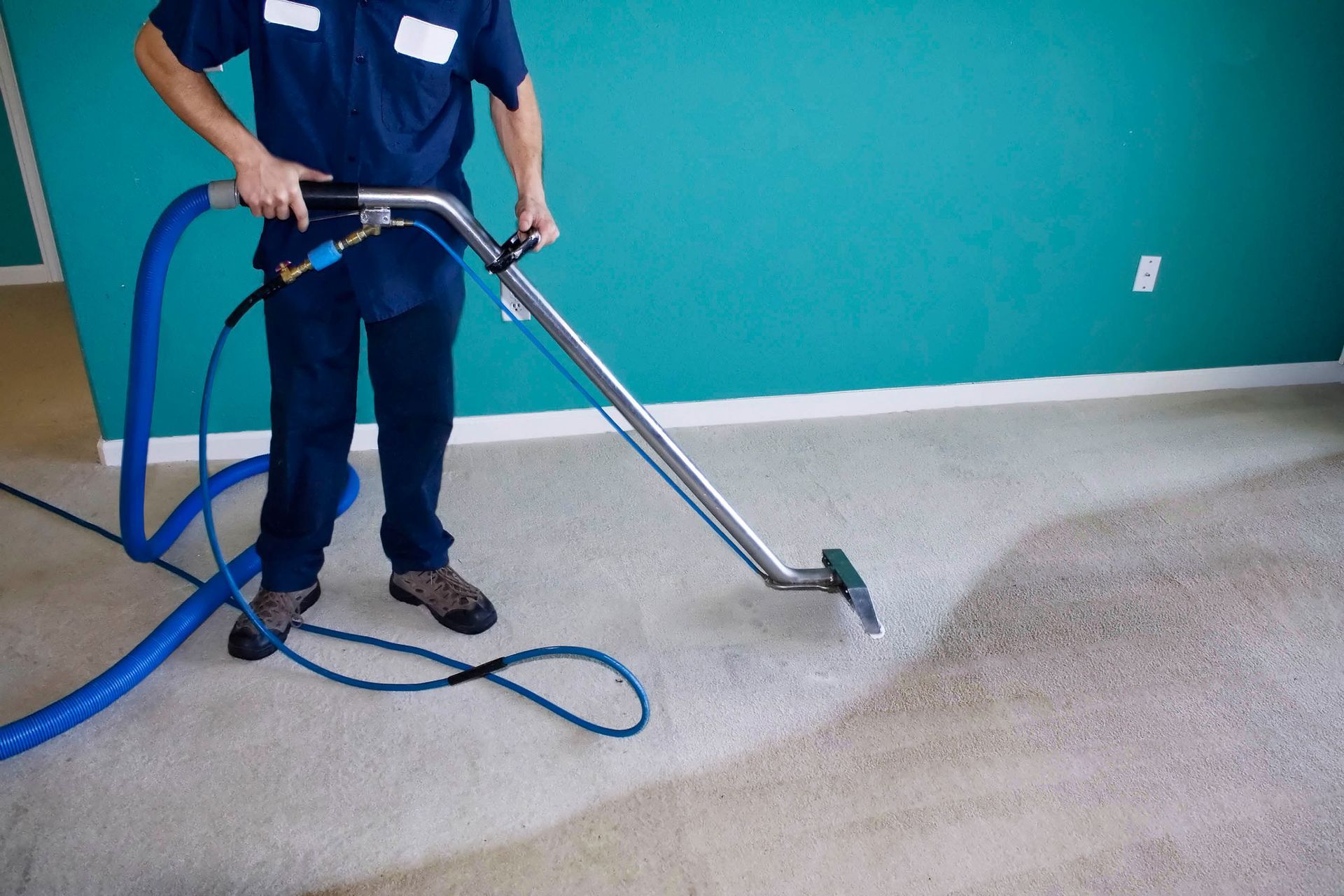
The core of the professional carpet cleaning process is deep extraction, most commonly executed through hot water extraction, often colloquially referred to as steam cleaning. During hot water extraction, high-pressure hot water with a rinsing agent is injected deep into the carpet fibers under controlled pressure. Simultaneously, powerful vacuum slots positioned directly behind the spray jets immediately pull the water, dissolved cleaning agents, and suspended dirt out of the carpet and into a recovery tank.
The intense heat lowers the surface tension of water to penetrate tightly woven fibers, sanitizes the material by eliminating dust mites and bacteria, and dissolves tough grease that cooler water cannot break down. In scenarios where carpet materials cannot tolerate high moisture, or where extreme drying speeds are required, low-moisture alternative methods may be used. These include dry cleaning or encapsulation, where polymer solutions capture dirt into microscopic crystals to be vacuumed away later, or bonnet cleaning, where a rotating pad absorbs surface dirt for a quick cosmetic touch-up in commercial spaces. However, for deep residential restoration, hot water extraction remains the gold standard for comprehensive dirt removal.
Post-Extraction Grooming, Protection, and Rapid Drying
The cleaning process doesn't end when the extraction machine stops, as the final post-treatment steps ensure the carpet dries quickly, looks uniform, and stays cleaner for longer. Over time, factory-applied fluorochemical protectants wear off due to foot traffic, so technicians can reapply a professional carpet protectant that coats the fibers with an invisible barrier to repel liquid spills and dry soils.
Following this, a carpet rake or specialized comb is passed over the damp fibers to align them in a uniform direction, eliminating wand marks left by the extraction equipment and promoting even airflow across the surface. Finally, because excessive moisture left in a carpet can lead to lingering odors or mold growth, professionals deploy commercial air movers to accelerate the drying process, usually bringing total drying times down to between two and six hours.
Maintaining Your Investment Between Professional Cleanings
While periodic professional carpet cleaning is essential to lift dirt that accumulates in untreated carpets each year, daily and weekly home care dictates how well your floors hold up between visits. High-traffic entryways and living rooms should be vacuumed two to three times a week using a vacuum with a clean HEPA filter and proper height settings.
When liquid spills occur, always blot them gently using a clean, white microfiber cloth, working from the outside of the stain inward, avoiding furious scrubbing that frays carpet fibers and causes permanent texture damage. You should also employ defensive measures, such as placing high-quality doormats at every exterior entrance and implementing a strict no-shoes policy indoors to cut down on the transfer of oil and exterior grime. Periodically moving heavy furniture is another great habit, as it redirects foot traffic paths, allowing crushed fibers to recover while preventing localized wear patterns.
A carpet is a major financial and aesthetic investment in your living space. Far from being a simple cosmetic sweep, thorough carpet cleaning relies on a precise combination of fiber identification, chemistry, heat, and high-powered mechanical extraction. By understanding the rigorous steps involved in professional care, you can protect your indoor air quality, keep your home fresh, and enjoy soft, beautiful carpets for decades to come. To learn more, reach out to the experts at ACE Cleaning & Restoration today!